The Van Door Is a Counter Too: A Midweek Lunch Plan for Exmoor Kitchens
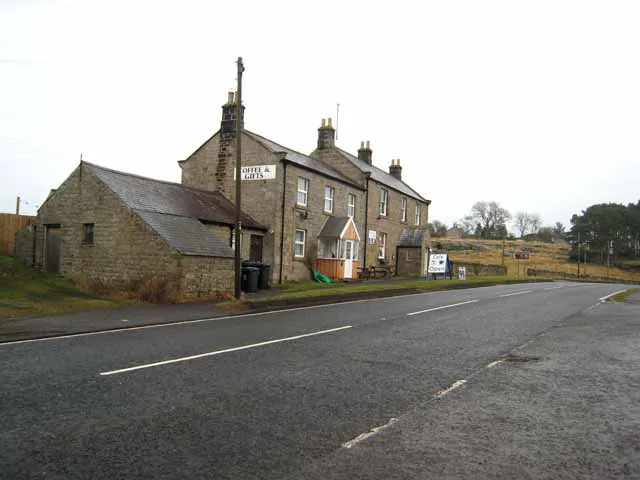
Photo: Oliver Dixon, CC BY-SA 2.0, via Wikimedia Commons
At about half eleven on a wet Tuesday, a flatbed turns into a yard near Wheddon Cross. The driver has been up since six, the job has run over, and the next stop is twenty minutes away. He does not want a tasting menu. He wants something hot, something that travels, and something he can eat with one hand while the other holds a phone. That is the mobile workforce lunch trade in a nutshell — and for Exmoor kitchens, it is worth taking seriously.
The temptation is to treat this as spare change: a few pasties in a box by the till, a sign saying 'van drivers welcome'. But the firms and sole traders working across the moor are repeat customers. They know their routes. They know which days are brutal. If you can fit their day rather than asking them to fit yours, you can build a reliable midweek line that does not depend on tourists, sunshine or school holidays.
Start with the route, not the sandwich
Exmoor's working day is not a neat nine-to-five. A farrier may be finishing a set of shoes at twelve and starting the next yard at half past. A vet on a TB test may be stuck in a shed for an hour longer than planned. A contractor laying a track above Porlock might have a crew that eats in shifts because the mixer cannot stop.
So do not build the offer around a single lunch rush. Build it around two windows: roughly 11:30 to 1:30, and a smaller late window for the jobs that always overrun. Keep the hot food honest about how long it will stay hot. If the soup is only good for forty minutes in the van, say so. A cold pasty eaten at two o'clock is better than a lukewarm one eaten at one and blamed on you.
It also pays to know where the vans actually are. Ask three regulars for their rough weekly loop. You will soon see patterns: the same crossroads, the same farm lanes, the same lay-by. You do not need to chase every van around the moor. One reliable drop point — a village hall car park, a farm shop yard, a pub forecourt by arrangement — can serve half a dozen crews without anyone driving miles out of their way.
Pre-orders that survive a weak signal
There is no point launching an app for this trade. Half the moor has a signal that comes and goes with the weather. The system needs to work on a phone with one bar, or on a clipboard by the door.
A simple text or WhatsApp broadcast at 8:30 works well: today's hot item, today's cold options, the cut-off time, and the collection point. Customers reply with a name, a time and a number. You write it on a sheet. That is the whole system. If you want to be slightly more organised, use a prepaid tab so nobody is hunting for a card machine in a tractor cab.
Keep a few spare items beyond the pre-orders. Someone will always forget, and someone will always be sent out by a foreman who did not consult anyone. But do not cook a second full menu on spec. The aim is a tight, repeatable offer — two hot items, two cold items, a decent drink, and maybe a slice of cake that travels well. Choice is good. A fridge full of unsold paninis is not.
Packaging that earns its keep
This is where cheap packaging becomes expensive. A flimsy box that collapses in a van, a soup lid that leaks over a dashboard, or a bag that cannot stand up in a footwell will cost you repeat trade faster than a price rise.
Go for sturdy, stackable boxes. Use lidded containers for anything wet. Wrap cakes and pastries so they do not sweat. Label anything with an allergen or a filling that is not obvious — a vegan pasty and a meat pasty should not look identical in a dark cab. If you are sending hot food, keep it separate from cold drinks. A simple cardboard crate with a name on it can be returned and reused; just do not make returns a condition of service, because it will annoy people who already have enough to carry.
The cost of packaging belongs in the price. Work out the difference between your counter wrapper and your van box, then build it in from the start. Trying to absorb it later feels like a stealth increase, and that is exactly the sort of thing a regular notices.
The quiet power of a trade account
You do not need a credit department to offer a trade account. A one-page agreement is enough: name, vehicle, weekly invoice, payment by Friday, no credit beyond one week. For smaller crews, a prepaid tab is even simpler — they put £50 on account, you knock off each order, and you text when it is running low.
Keep the paperwork dull and consistent. One invoice a week, itemised by day. If a foreman is claiming back meals for the crew, a clear invoice saves everyone a headache. It also makes your own bookkeeping easier, which matters when the VAT return lands at the same time as a busy week.
Do not offer credit just because someone asks. A mobile workforce is not automatically a safe bet; firms go bust, and sole traders can be slow payers like anyone else. A modest prepaid tab or a weekly invoice with a clear stop point is friendlier than an awkward conversation at the van window in February.
Price it like a menu, not a clearance sale
The biggest mistake is using the van trade to shift cheap stock. If your counter sandwich is £5.50 and your van bundle is £6.50 with a drink and a piece of fruit, you are not undercutting yourself — you are selling more for more. If the van price is lower than the counter price for the same item, word will get round. Someone will ask why they paid more to sit by the window.
Build a separate mobile menu with bundles, not discounts. A hot main plus a drink plus a flapjack, priced as a set, feels like a deal without devaluing the core menu. Add a small packaging charge or set a minimum order for delivery to a site. If you are driving out to a farmyard, that mileage is a cost, and pretending otherwise is how good ideas become resentful ones.
Keep the counter menu unchanged. The van customer is paying for timing, packaging and convenience. That is a different product, even if it comes from the same kitchen.
Make it a habit before the weather tests it
November is the right time to trial this, not July when every table is full and nobody cares about a van in the yard. Start with one day a week, one route and three regulars. Text them the menu the night before. Ask what worked and what ended up in the footwell. Adjust the packaging, not the whole plan.
By the time the short days and wet lanes arrive properly, you will have a small, steady line of trade that fills the gap between breakfast and the afternoon lull. It will not make anyone rich. But a dozen reliable lunches on a Tuesday in January are worth more than a good week in August — because they turn up when the visitor trade does not.
The van door is a counter too. Treat it like one, and Exmoor's mobile workforce will keep coming back.