After the Last Mince Pie: Building a Customer List at Exmoor's Christmas Markets
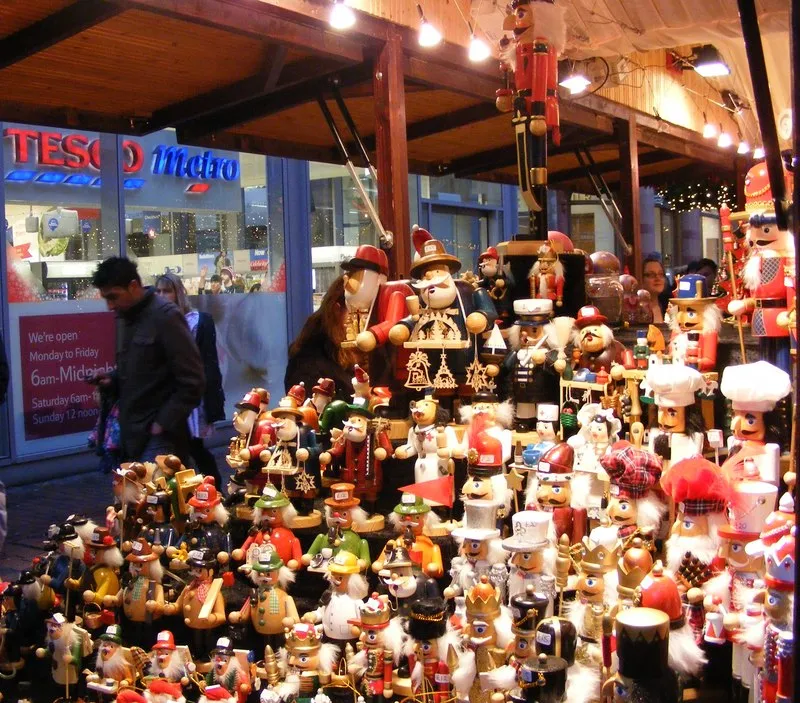
Photo: Gordon Griffiths , CC BY-SA 2.0, via Wikimedia Commons
By the time the Dunster lights go on and the first brass band has tuned up in Porlock, most traders have already done the maths on stall fees, stock and sausage rolls. The takings matter. But the real prize at a Christmas market is not always the till total at 4pm. It is the list of people who liked what you do enough to want more in February.
That shift in thinking changes how you set up, what you say and what you do in the week after the tinsel comes down. Here is a practical way to make an Exmoor festive market work harder for the other eleven months.
Build a stall that invites a conversation
Think of the table as a shopfront without walls. If everything is stacked flat, people walking past see a tabletop. If you raise a few items to eye level, they see a story. Use a crate, a shelf or a simple display board so the first thing they notice is your best product, not the back of your van.
Keep the layout simple. One clear offer at the front, samples or a demonstration within easy reach, and prices that can be read from a metre away. A bowl of tasters does more than a banner. A quiet demonstration, whether that is cutting cheese, printing a card or pouring a hot drink, gives people a reason to stop that is not just the weather.
Make paying easy. Have a card reader, a cash float and a QR code that goes somewhere useful. If you are collecting email addresses, keep a clipboard for people who prefer paper and a QR code for people who would rather do it themselves. The sign-up should be at eye level, not hidden behind the mince pies.
Price for the January follow-up, not just the festive rush
Market pricing has two jobs. It has to make the day pay, and it has to make the follow-up feel worthwhile. Those are not always the same thing.
A festive bundle can lift the average spend without turning your stall into a discount bin. A gift set, a mixed box or a three-for-two deal works when it is simple to explain and easy to carry. But do not slash prices so hard that the January offer has nowhere to go. If your chutney is normally £6, a market-only bundle at £15 for three is clearer than a scrum of yellow stickers.
Know your margin before you print the sign. Market fees, parking, packaging, card charges and your own time all come out of the till. A busy stall can still be a poor day if the bestseller is the thing you make least on. Put the higher-margin lines where people look first and keep the low-margin favourites as add-ons rather than the headline.
It also helps to plant a seed for later. A small card that says something like 'Pre-order for collection in January' or 'Ask about our winter workshop' turns a Christmas purchase into a reason to get in touch again.
Ask for the email like a human
UK GDPR does not have to be scary, but it does have to be done properly. Ask for consent for a specific purpose, say what people will receive and do not buy a list from anyone. A simple sign-up line is usually enough: 'Want to hear about our next batch, market dates and a January offer? Pop your email here.'
Be clear about frequency. If you send once a month, say so. If you only plan to email when there is something worth saying, say that too. People are more likely to sign up when they know what they are getting.
If you run a prize draw, make the email sign-up a separate choice rather than a condition of entry. Keep the paper forms somewhere safe and add them to your list while the market is still fresh. A shoebox of email addresses is not a customer list until it is somewhere you can actually use.
The 48-hour window
Follow up within two days, while the memory of the stall is still warm. Send one message, not five. Thank them, remind them where you were, include one photo that captures the stall, and give them a small, specific reason to reply.
That reason could be a January offer, a pre-order deadline, a workshop date or a simple question about what they would like to see next. Keep it short. A long newsletter is not a follow-up; it is a test.
If you sell food, drink, craft and hospitality, segment gently. A customer who bought a gift box may want a different message from someone who booked a table or signed up for a craft session. You do not need complicated software to do this. A few tags and a bit of common sense will do.
Make the next market easier
At the end of the day, write down three things: what sold, what people asked for and how many signed up. That note is worth more than a fuzzy memory in July. Keep the signage that worked, photograph the layout you liked and book the pitch you want before someone else does.
Then tell your new list where you will be next. Dulverton, Lynton, Wiveliscombe, Porlock or wherever the spring markets take you. A customer who met you in the cold is already halfway to trusting you. The follow-up is how you make sure they can find you when the lights are off and the mince pies are just a memory.