Beyond the Water Bowl: A Commercial Guide to Dog-Friendly Exmoor Hospitality
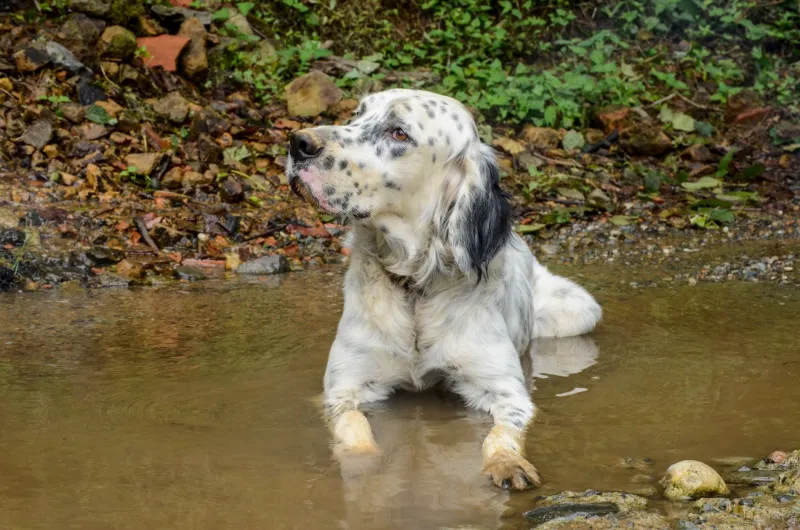
On a wet November afternoon, the difference between a quiet Exmoor café and a busy one can come down to four muddy paws and a dry place to sit. Dog owners on holiday or out for a local walk are not a niche market around here. They are a steady stream of customers — but only if a business makes the experience easy for them and tolerable for everyone else.
The commercial case is straightforward. Dog-friendly hospitality can fill the weeks that sit outside school holidays, bring in local walkers during the shoulder months, and encourage longer stops from visitors who might otherwise grab a coffee and move on. The risk is equally straightforward: a vague welcome, poor layout or unclear rules can create friction, complaints and insurance headaches.
Start with a policy, not a water bowl
A dog-friendly business needs a written policy that staff can explain in one breath. Decide where dogs are allowed, whether they must stay on leads, how many are welcome at one table, and what happens in tight corners or near food service areas. Put it on the website, on the door and in holiday-let welcome packs. Keep the wording friendly but specific.
“Dogs welcome in the bar and garden” is useful. “Dogs welcome” with no detail is an invitation to guesswork. The same goes for holiday lets: state the pet fee, the maximum number of dogs, rules about furniture and gardens, and what owners should bring. Clear terms protect the business and make the right customers more likely to book.
The physical setup that earns its keep
Most of the operational work happens before a customer arrives. A muddy-boot station near the entrance, a durable mat, a towel box and a water point away from walkways will do more for repeat trade than a bowl of biscuits on the bar. Choose flooring that can be mopped without drama. Keep soft furnishings washable or removable. If dogs are allowed on seats, use throws that can be laundered; if they are not, say so clearly and provide a comfortable floor space instead.
Zoning matters. A quiet corner for nervous dogs and their owners can be just as valuable as a busy open area. Keep water bowls out of serving routes. Store cleaning supplies where staff can reach them quickly. In shops, think about low displays, food areas and narrow aisles — a dog-friendly shop still has to be a practical shop.
Insurance, food safety and the boring bits
Tell your insurer what you are doing. Public liability cover may already include dog-related incidents, but assumptions are dangerous. Ask the question, note the answer, and update your risk assessment. Food hygiene rules still apply: dogs should not be in kitchens or food preparation areas, and staff should know where they can and cannot go. Keep an incident log for bites, escapes, mess or disputes, however minor they seem at the time.
Holiday lets have an extra layer. Pet fees should reflect realistic cleaning and wear, not just a token charge. Provide throws, a spare towel and a clearly signed garden policy. Check boundaries and gates. If the property is near livestock, say so in the welcome pack and remind guests that leads are not optional.
Staff training: the difference between welcome and chaos
A dog-friendly business is a customer-service business with extra variables. Staff need a simple script: where to seat people with dogs, when to offer water, how to handle a nervous animal, and how to move a non-dog guest without making anyone feel awkward. One person should own the policy and be the named point of contact for incidents.
Train staff to read the room. A wagging tail is not a risk assessment. Some dogs are fine with other dogs until they are not. Some owners are relaxed; others need guidance. The best teams are calm, consistent and quietly firm. They do not let dogs roam, and they do not expect other customers to become dog handlers for the afternoon.
Make it pay without turning cute
Dog-friendly hospitality should add revenue, not just goodwill. That might mean a modest pet fee on holiday lets, a jar of proper dog treats by the till, spare leads and towels for sale, or a clearly priced “walkers’ stop” that includes a hot drink and something easy to eat. Avoid gimmicks that cost more in staff time than they return. Track what dog-friendly customers actually spend, how often they return, and whether they book in the quieter weeks.
Local advocates are worth more than a directory listing. Dog trainers, groomers, walking groups and holiday-let owners all talk to people who are deciding where to stop. Give them accurate information and a reason to recommend you. A business that is genuinely easy for dog owners becomes part of the route, not just a place that tolerates paws.
Marketing to walkers in every season
Create a dedicated dog-friendly page on your website. Say what you offer, show a photo of the real setup, and link to a couple of walks from the door. Keep it updated for wet weather, muddy conditions and seasonal restrictions. Claim and check your Google Business profile so the dog-friendly attribute is accurate. Use social media for the practical stuff: where to park, where to hose off boots, which door to use and when the quietest hours are.
For holiday lets, be specific in listings. “Pet-friendly” means different things to different guests. State the fee, the rules and the nearest good walk. A short welcome note with local vet details and a towel by the door is a small touch that reduces problems later.
Keep non-dog guests on side
A dog-friendly business should never feel like a dog-only business. Clear signs, sensible seating and staff who can move a table without fuss will keep non-dog customers comfortable. Some people have allergies, phobias or simply prefer a dog-free lunch. Give them a genuine option and do not make them explain themselves. The aim is a good experience for everyone, not a contest between customer groups.
A simple seasonal calendar for 2026
In January and February, lean into local walkers and wet-weather trade: dry seating, towel boxes and a warm drink. In spring, remind guests about livestock and lambing; leads are not a suggestion. In summer, provide shade and water, and never assume a dog can be left in a car. In autumn, promote muddy-boot routes and quiet midweek breaks. Around Christmas markets and school holidays, make sure the policy is visible before people arrive.
Dog-friendly hospitality is not a badge you stick on the door. It is a service line with costs, rules and training behind it. Get those right and the reward is steady: more stops in the quiet weeks, more loyal local advocates and a reputation for being genuinely welcoming — to the dog, the owner and the customer who would rather not sit next to either.