The Binder by the Back Door: A Pre-Winter Insurance MOT for Exmoor Businesses
Photo: McKay Savage from London, UK, CC BY 2.0, via Wikimedia Commons
There is a particular kind of November afternoon on Exmoor. The light goes early, the lane outside has a stream running down it, and somewhere a tree is leaning at an angle that looks less charming than it did in August. It is around this point that most business owners think about insurance. Usually while standing in a cold yard, holding a torch.
The better time to look is now, before the weather tests anything. Not because insurers are out to catch you — most are not — but because the details that matter in a claim are often the details nobody reads until they need them. A policy is not a magic blanket. It is a set of agreements, exclusions and limits, and it works best when it matches the business you actually run.
Start with the schedule, not the storm
Dig out the policy schedule and the latest statement of fact. These are the two documents that tell you what your insurer thinks it is covering. Check the business description, the address, the sums insured and any conditions attached.
Underinsurance is the quiet problem. If your buildings, contents or stock are insured for less than it would cost to replace them, a claim can be reduced proportionately. Many policies apply an average clause, which means a small shortfall can become a large deduction. A café insured for £80,000 of contents when a like-for-like refit would now cost £120,000 is, in effect, carrying a third of the risk itself.
For Exmoor businesses, replacement can be slower and dearer than in a city. A specialist cold room, a bespoke shop counter, a farrier's tools, a holiday let's furniture package — these are not always off-the-shelf items. Ask your broker whether your sums reflect today's rebuild and replacement costs, not what you paid five years ago.
Business interruption: the cover that keeps the lights on
Business interruption, or BI, is the part of the policy that replaces lost income after an insured event. It is also the part most likely to disappoint if it has not been set up properly.
Three things matter. First, the indemnity period: is it three months, six months or twelve? A fire or flood in a rural building can take longer to put right than anyone expects. Second, the basis of cover: gross profit, revenue or additional expenditure. Third, the trigger: does the policy respond only to damage at your premises, or also to denial of access, loss of utilities, or failure of a key supplier?
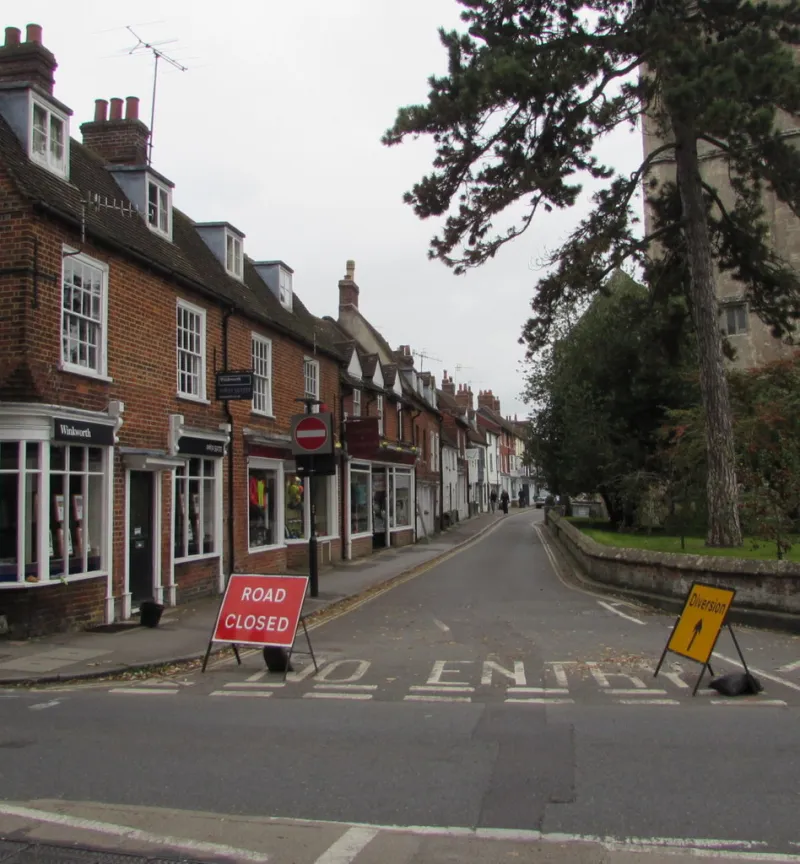
On Exmoor, those extras are not theoretical. A blocked main road, a prolonged power cut, a water main failure or a closed bridge can stop trade without a tile coming off your roof. Some policies include limited cover for these things; many do not. Ask plainly: if we cannot open because the lane is impassable, is that covered?
Stock, kit and the schedule nobody updates
The average small business schedule is a museum of things that used to be true. The new coffee machine is not listed. The trailer bought in spring is not there. The stock value is set at a quiet-month figure, not the Christmas market peak.
Spend half an hour listing the big items: machinery, tools, kitchen equipment, IT, furniture, vehicles, outdoor seating, marquees, generators. Note serial numbers where they exist. Keep purchase receipts in a folder — paper or cloud — and update the list when something significant arrives. If you run a shop or food business, think about your peak stock value across the year and tell your broker. A farm shop in December is not the same risk as a farm shop in February.
Flood, storm and the small print
Flood cover is not automatic everywhere, and the definition of 'storm' can matter. Check whether flood is included, whether there is a higher excess for weather claims, and whether the policy expects you to maintain gutters, drains or air bricks. Conditions are not trickery, but they are conditions.
If your premises has flooded before, say so. If you are near a stream, on a slope, or at the bottom of a lane that acts as a drain, say that too. Brokers would rather know now than discover it at claim stage. The same goes for temporary structures, signs, outdoor furniture and stock stored in sheds or containers.
Photograph the ordinary things
Before anything happens, walk around with your phone and take dated photographs or a slow video. Open cupboards. Photograph the till, the kitchen, the stockroom, the tools, the signage, the boiler and the oil tank. Film the outside of the building from all sides. It feels slightly ridiculous. It is also the fastest way to prove what you had if a claim is ever disputed.
Keep a copy somewhere other than the premises — cloud storage or a folder with your accountant. Add any receipts you have, and note the preventative steps you take: lagging pipes, clearing gullies, keeping the heating on low, having a generator checked. Insurers like evidence of sensible housekeeping, and it helps you remember what you did.
Plain-English questions for your broker
- Are our sums insured based on today's rebuild and replacement costs?
- Does the policy include business interruption, and for how long?
- What triggers BI — damage only, or also access, power and supplier failure?
- Is flood cover included, and what excess applies?
- Are storm and escape-of-water claims subject to special conditions?
- Is stock covered at its peak value, and are outbuildings and containers included?
- Are tools, vehicles and portable equipment covered away from the premises?
- What should we do first if a pipe bursts or the power goes off for two days?
Two hours with a highlighter and a phone camera will not stop the weather. It will, however, mean that if the worst happens, you are arguing from evidence rather than memory. And if nothing happens, you have simply got to know your policy a little better. On Exmoor, that counts as a good winter's work.