The Road May Be Shut, but the Kettle Isn’t: A Trader’s Guide to Exmoor Diversions
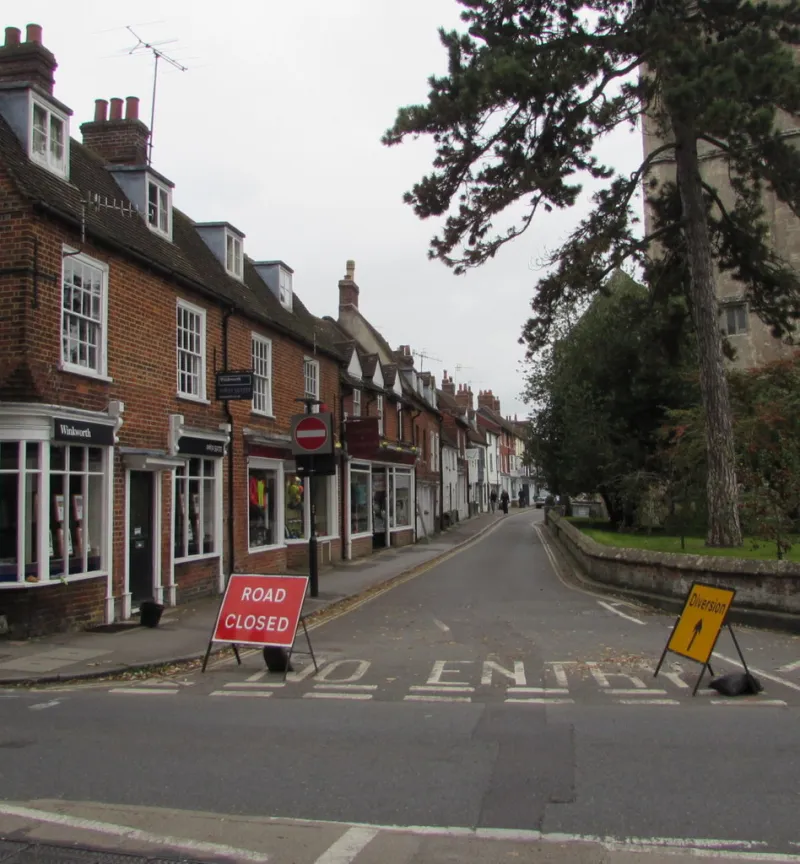
Photo: Jaggery , CC BY-SA 2.0, via Wikimedia Commons
There is a particular kind of silence that follows the appearance of a yellow “Road Closed” sign on an Exmoor lane. First comes the rumour in the village WhatsApp group. Then the van driver rings to say he can’t get through. By lunchtime, someone has decided the whole town is shut, and your best customer has cancelled because “surely you’re closed too?”
A closure is not good news. But it is rarely the end of trade. It is a logistics problem, a messaging problem and, occasionally, a paperwork problem. Treat it like a winter job to be managed rather than a curse sent by the highways department, and you can keep far more of the week than you might think.
Separate the road from the rumour
The first mistake is letting the closure become the story. A closed stretch of the A396 or a side lane into one of our villages does not mean every business behind it has pulled down the shutters. Your job is to make that clear, quickly and calmly, without sounding defensive.
Start by finding out exactly what is closed, for how long, and whether there is access for pedestrians, cyclists or residents. Highways notices can be vague; the parish council clerk often knows the practical detail. Ask whether the closure is full-time, off-peak, or only for resurfacing hours. A road that is shut from 9am to 3pm is a very different beast from one that is shut for six weeks.
Write down the answer in plain English. “The B3223 is closed between X and Y from Monday to Friday, 8am–4pm. We are open as usual. Access from the south via Z.” That paragraph will do more work than any poster.
The day the signs go up: a 60-minute checklist
You do not need a crisis meeting. You need an hour and a list.
- Update your Google Business Profile and social media with the exact closure, dates and the best alternative route. Pin the post.
- Change your voicemail greeting and, if you have one, your website banner. Keep it short.
- Ring anyone with a booking in the next 48 hours. A quick call beats an email that lands after they have set off.
- Check your delivery drivers’ routes and warn them about the extra time. Do not let a 20-minute detour become a missed slot.
- Put a temporary sign at the last open junction — not at the closure itself, where only frustrated drivers will see it.
- Tell neighbouring businesses what you know. A united message carries further than six separate rumours.
If you do nothing else, do the first three. Booked customers are the people most likely to be lost through confusion, and they are also the most likely to come back if you communicate well.
Tell the people who already love you
A closure is a good moment to be a bit more personal than usual. Put a photo of the diversion route on your social feed. Ask regulars to mention to friends that you are still open. If you run a café or farm shop, consider a small “we’re still here” offer for anyone who has braved the detour — not a deep discount, just a warm welcome and maybe a free biscuit with a hot drink.
The aim is not to pretend everything is normal. It is to give people a reason to make the extra effort. “The road is closed but the soup is on” is a more useful message than a formal notice. Keep it honest, keep it local, and don’t overdo the martyrdom.
Deliveries: change the route, not the promise
For shops, producers and tradespeople, the delivery side is where closures really bite. Work out which drops are affected and contact those customers first. Offer a revised time window rather than a vague apology. If you use a courier, check whether they have automatically rebooked or simply marked the address as inaccessible.
Where possible, consolidate deliveries into fewer runs. Ask another local business with a van whether a shared run makes sense for the week. On Exmoor, informal cooperation is often the most reliable logistics system we have. Just make sure both sides agree who is responsible if something goes astray.
If you cannot reach a customer at all, say so early and offer collection or a later date. Most people are reasonable when they know the score. They are far less reasonable when they have waited in all morning for a delivery that was never going to arrive.
Signage that helps rather than hectors
Temporary signage is worth doing, but only if it is clear. A laminated A3 sheet tied to a gate with baler twine is not a disgrace; an unreadable one is. Use large type, an arrow, and the words “Businesses open as usual” if that is true. Include the name of the nearest village or landmark, not just a postcode.
Check where you are allowed to put signs. The highways authority and parish council can be understandably touchy about anything that looks like a permanent advert or a hazard. Ask first if you are unsure. A sign that causes an accident or blocks a verge will not help your cause.
Keep a paper trail of the lost trade
If the closure costs you real money, record it. Not in a dramatic way — just notes. Keep a simple log of cancelled bookings, missed deliveries, extra fuel and staff hours. Note the dates and the reason given by customers. If there is a compensation scheme, a business rates discussion or a future consultation about roadworks, evidence beats anecdote.
This is also useful when talking to your accountant or insurer. “We had a quiet week” is a feeling. “We lost eleven covers and two delivery slots because of the closure between 3 and 14 November” is a fact.
Talk to highways and the parish — early, not angrily
It is tempting to ring the council and let rip. Don’t. Find the highways officer or the parish clerk, explain the business impact, and ask practical questions: can access be maintained for customers? Can the signage mention local businesses? Is there a residents’ access arrangement that could be extended?
You will not always get what you want. But the businesses that ask early tend to get better information, and sometimes a more sensible sign. Parish councils also appreciate knowing which traders are affected; they can pass the message on and sometimes push for clearer communication.
Make the closure part of next year’s plan
When the signs come down, don’t just forget it. Add a short section to your winter plan: who to ring, what to post, how to redirect deliveries. Keep a template message ready. Note the dates of any recurring works. If the same stretch closes every winter, build it into your marketing calendar — and tell customers before they assume the worst.
A closed road is a nuisance, not a verdict. The businesses that trade through it are the ones that communicate clearly, plan the detour and refuse to let a yellow sign write their week for them. The kettle, after all, still works.