When the Forecast Wrecks the Weekend: A Fair Cancellation Policy for Exmoor Stays

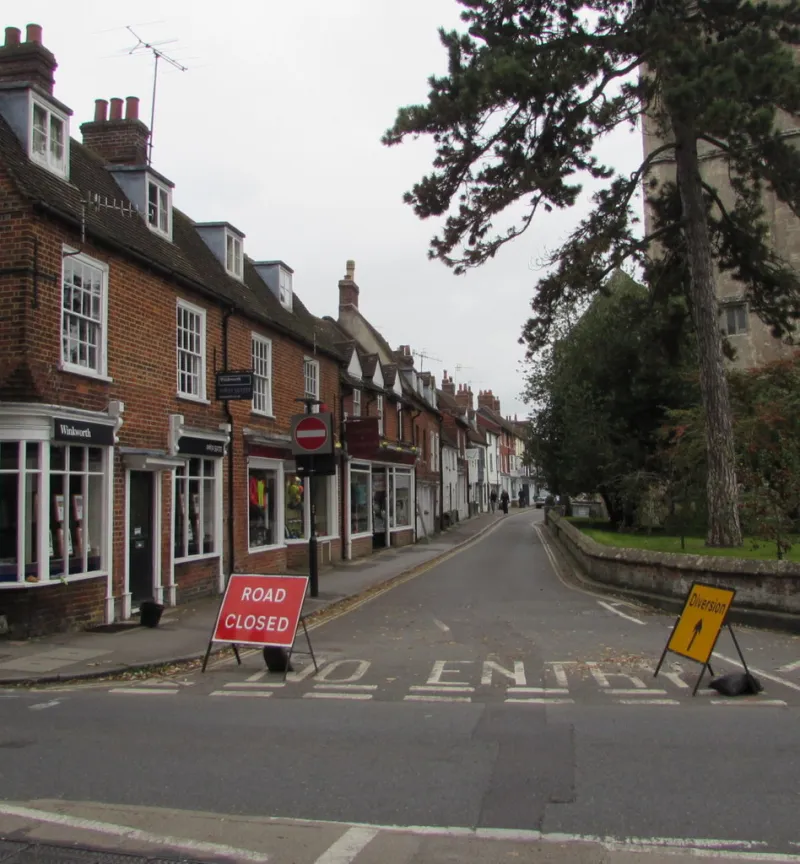
Photo: W.carter, CC BY-SA 4.0, via Wikimedia Commons
It's Friday morning in Porlock and the Met Office has gone amber. Your phone buzzes: a guest due tomorrow has seen the forecast, decided against the drive, and wants their deposit back. Meanwhile the haddock is ordered, the rota is up, and you turned away a couple on Wednesday who would have taken the room. This is not a hypothetical. It's a normal Exmoor weekend in November, February, or any month ending in 'y'.
A cancellation policy is not paperwork. It is a cash-flow tool. Get it right and a washed-out weekend becomes a rebooking six weeks later. Get it vague and you are either the business that keeps money from a soaked family or the one that refunds everything and quietly absorbs the cost of empty rooms. Neither is a good look on a small moor where everyone talks.
Define the weather you are actually insuring against
'Bad weather' is useless in a dispute. One guest's bad weather is another guest's bracing walk. Write down the triggers instead. A Met Office amber or red warning covering the Exmoor area. A closure of the A39 or A396. An Environment Agency flood alert for the local catchment. A snow closure that stops the school bus, the delivery van, or the staff getting in. Those are objective, checkable, and hard to argue with.
Drizzle is not a trigger. A gloomy forecast is not a trigger. A guest changing their mind because they fancied Cornwall instead is not a trigger. Say that plainly and kindly. The point of a weather clause is to cover the journey and safety, not to underwrite everyone's mood.
Use a deposit ladder, not a cliff edge
A single non-refundable deposit feels harsh and drives enquiries away. A fully refundable one leaves you carrying all the risk. The middle path is a ladder. Take a 25% deposit at booking, non-refundable but transferable to another date within twelve months. At fourteen days out, take the balance or a further 25%, whichever suits your cash flow. At seven days, the booking becomes fully payable.
Then add one clear exception: if a defined weather trigger is met, the guest can move the booking once, free of admin charge, to any available date within twelve months. No cash refund, no argument. They keep their money on the table; you keep the booking alive. If they cannot travel at all, offer a partial refund minus card fees and any third-party costs you have already paid. Put that in writing before they book.
Say it at booking, not just in the small print
The policy has to be repeated in three places: the booking conversation, the confirmation email, and the website. Not buried under 'terms and conditions' in eight-point grey. A short bold summary at the top of the confirmation works: 'If a Met Office amber warning or a road closure stops you travelling, we will move your stay once within twelve months at no extra charge. See full terms below.'
When someone books by phone, say it out loud. 'Just so you know, if the road's shut or there's an amber warning, we'll move your dates rather than keep your money.' That sentence does more for trust than any polished policy page. It also gives you something to point back to when the forecast turns.
Have a script for the awkward call
When the cancellation email lands, reply quickly and warmly. Do not begin with the policy. Begin with the person. 'Thanks for letting us know, and sorry the forecast has turned. Let's get you sorted.' Then offer two options, not a lecture. Option one: move the dates. Option two: weather credit valid for twelve months, transferable to a friend or family member if they cannot use it.
If they push for a cash refund outside the terms, stay neutral. 'I understand. The deposit covers the room we held and the orders we placed, which is why it's transferable rather than refundable. But I can hold the credit for you until next spring.' Most people accept a fair rebooking. Very few want a fight with a small Exmoor business they chose precisely because it felt human.
Make the credit easy to use and easy to track
A weather credit is only worth anything if the guest remembers it and you honour it. Put it in a simple spreadsheet or your booking system: guest name, original dates, trigger, credit value, expiry date, and whether it has been used. Set a reminder for thirty days before expiry. Send one friendly email. That single follow-up often turns a lost weekend into a booked one.
Do not overload the credit with blackout dates and conditions. A few sensible exclusions are fine, but if the guest feels trapped by the terms, the credit becomes a bad review waiting to happen. Exmoor's reputation is built on straightforwardness. Keep it that way.
Review the pattern, not just the individual case
At the end of each season, look at your cancellation log. How many were weather triggers? How many were change of mind? How many rebooked? If you are seeing repeated no-shows on the same quiet weekend every year, that is not a weather problem. That is a pricing or communication problem. Adjust the deposit or the minimum stay rather than tightening the clause.
A fair weather clause will not stop the rain. It will stop the rain from washing away your cash flow and your local goodwill. Write it down, say it early, and make the rebooking the easy path. On Exmoor, the forecast is unpredictable. The policy does not have to be.